Chuckwill
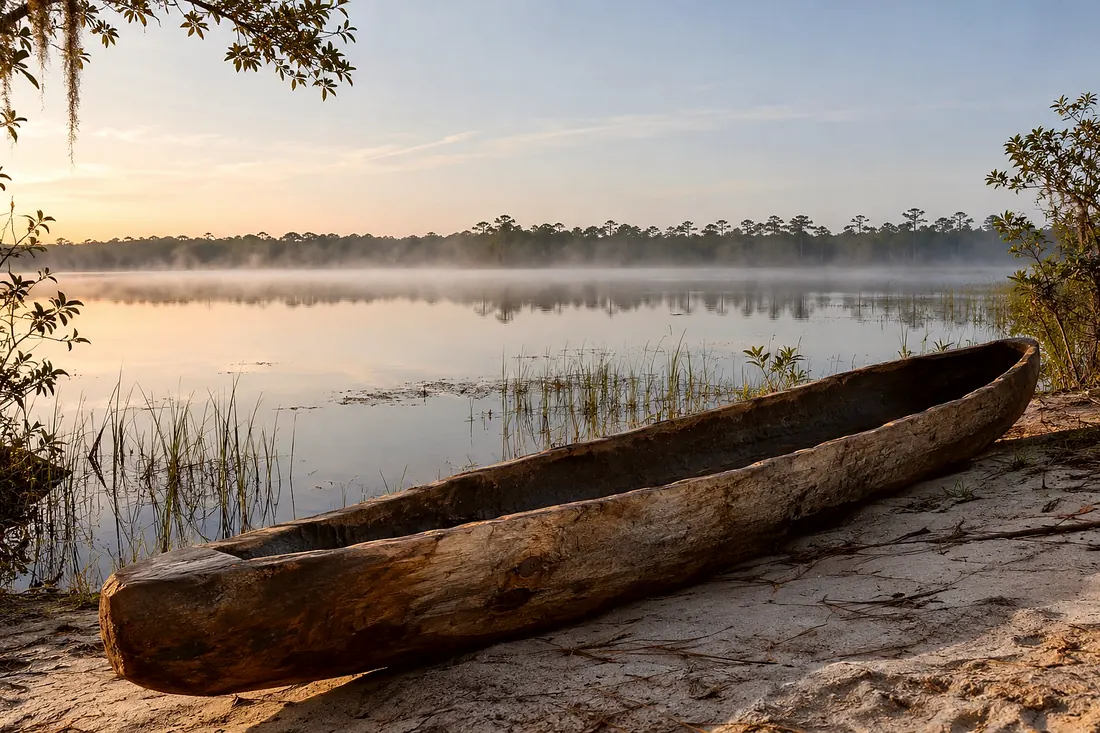
01History
The Oconi and the Ibihica
the swamp's south wedge, toward Saint George
Before anybody called this place the Okefenokee, Spanish records called it the Laguna de Oconi.
0:00 / 3:28
The people and events of the swamp, from the Oconi and the Seminole to the canal, the loggers, the refuge and the fires, one story each, with the full text and sources.
the swamp's south wedge, toward Saint George
Before anybody called this place the Okefenokee, Spanish records called it the Laguna de Oconi.
Floyds Island
Before there was a Seminole people, there was a swamp waiting for them. Here is how it came about.
Floyds Island
In eighteen thirty-eight, a Georgia general came into the Okefenokee looking for a Seminole town, and he found one.
Traders Hill and the Race Pond country
In August of eighteen thirty-eight, a captain named Beall found a fresh trail leading into the Okefenokee, and he followed it on horseback.
Traders Hill
On the night of March eleventh, seventeen ninety-three, a storekeeper named John Fleming was buying deerskins at Robert Seagrove's store at Traders Hill.
Folkston and Waycross
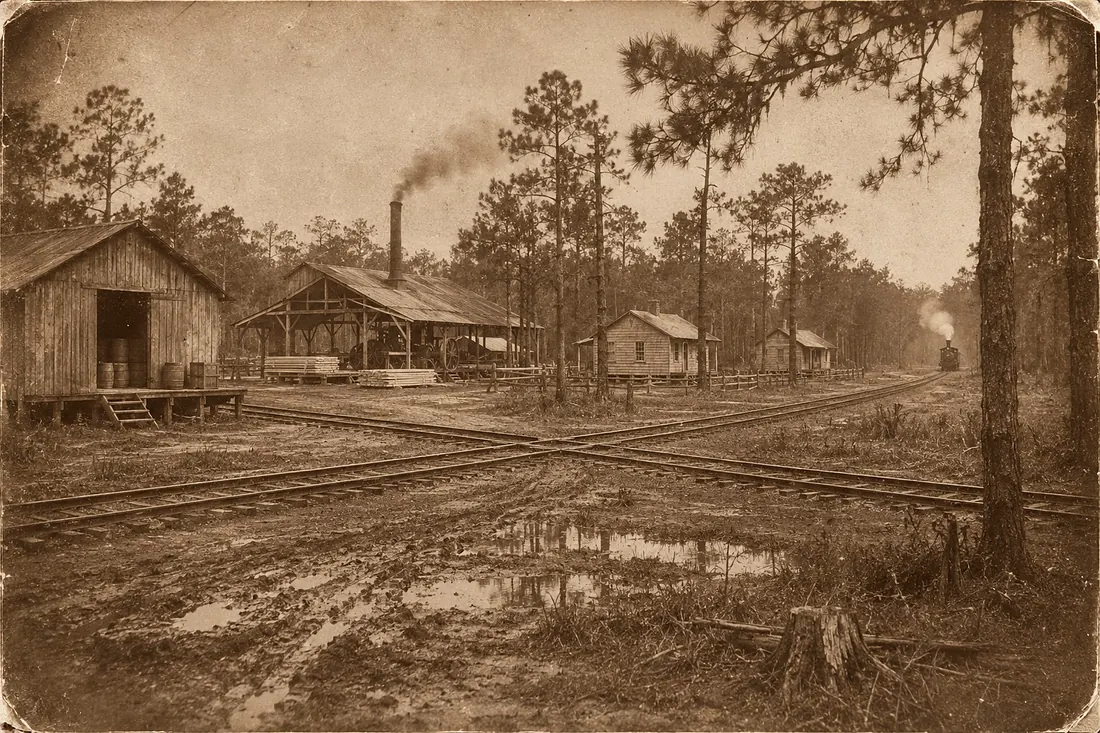
In eighteen seventy, the place we now call Waycross was a railroad crossing, a warehouse, a sawmill, a few cottages, and not over fifty people.
Suwannee Canal Recreation Area, east entrance
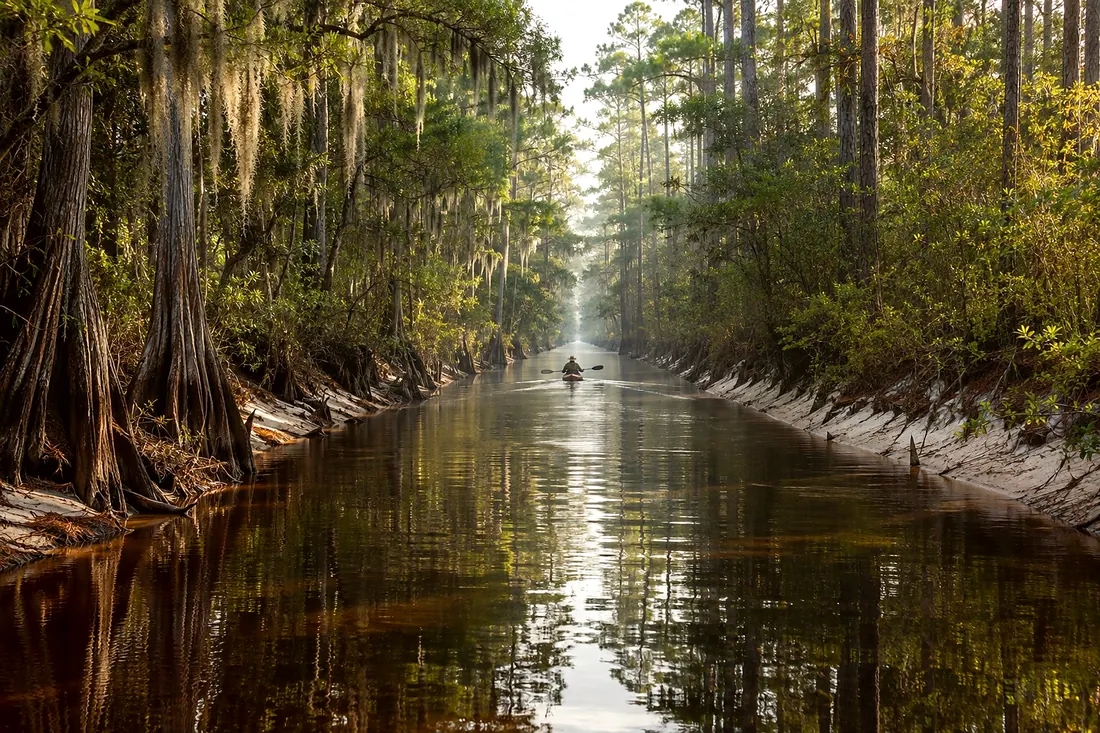
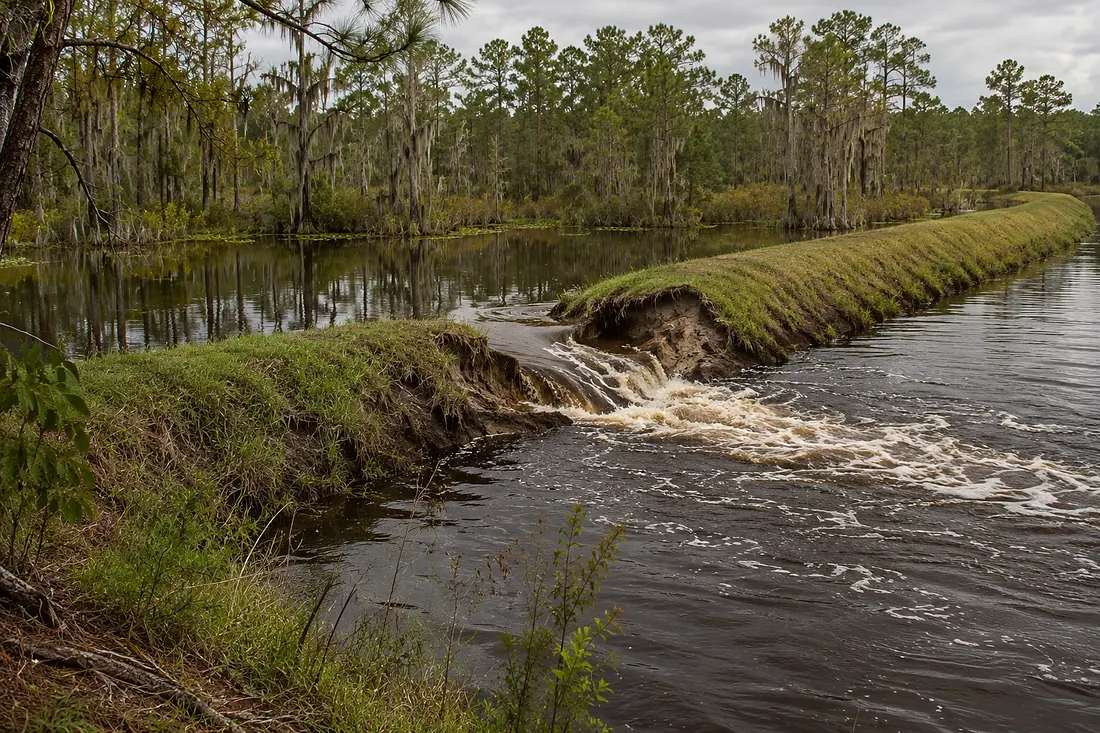
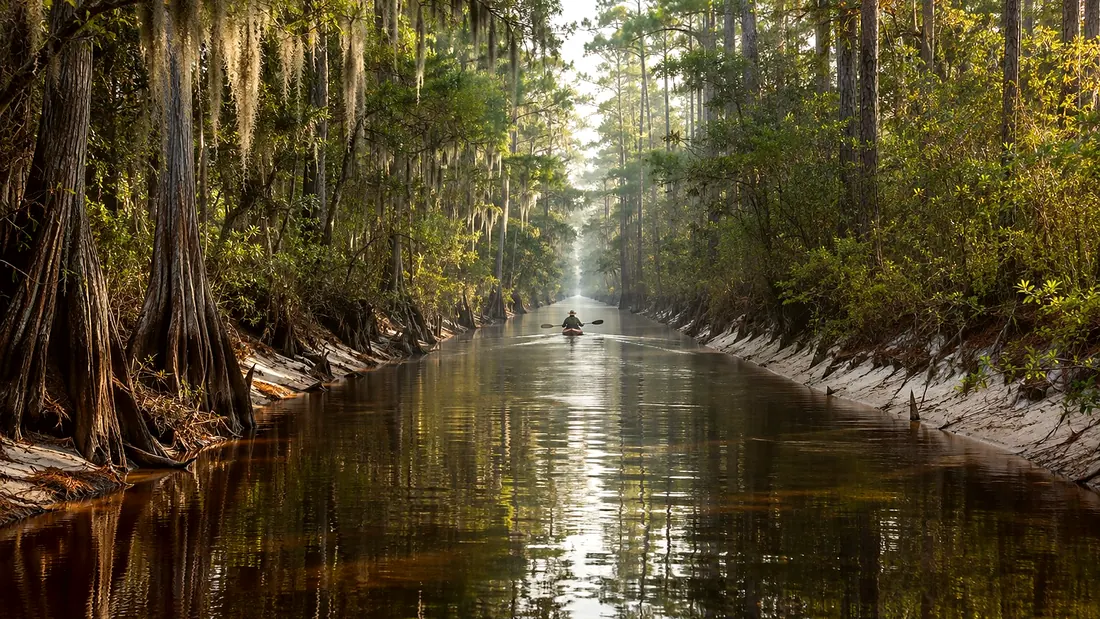
A man set out to drain the Okefenokee Swamp, and the swamp won. Folks called it Jackson's Folly, and the canal he dug is still the best way in.
The swamp's northwest rim and Hebardville
John Hopkins came into the Okefenokee in nineteen hundred to count trees, and he stayed forty-five years.
Billys Island
On the Fourth of July, nineteen twenty-three, a baseball team from the middle of the Okefenokee Swamp beat Folkston ten to five.
The rail spurs around Floyds Island
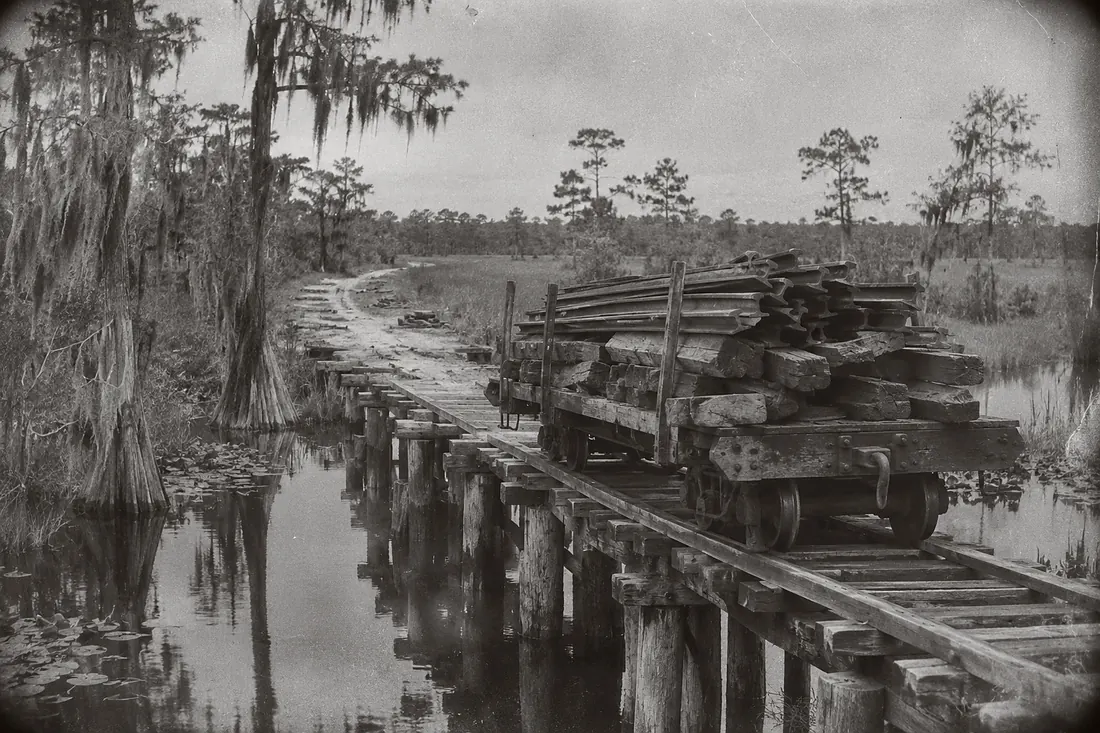
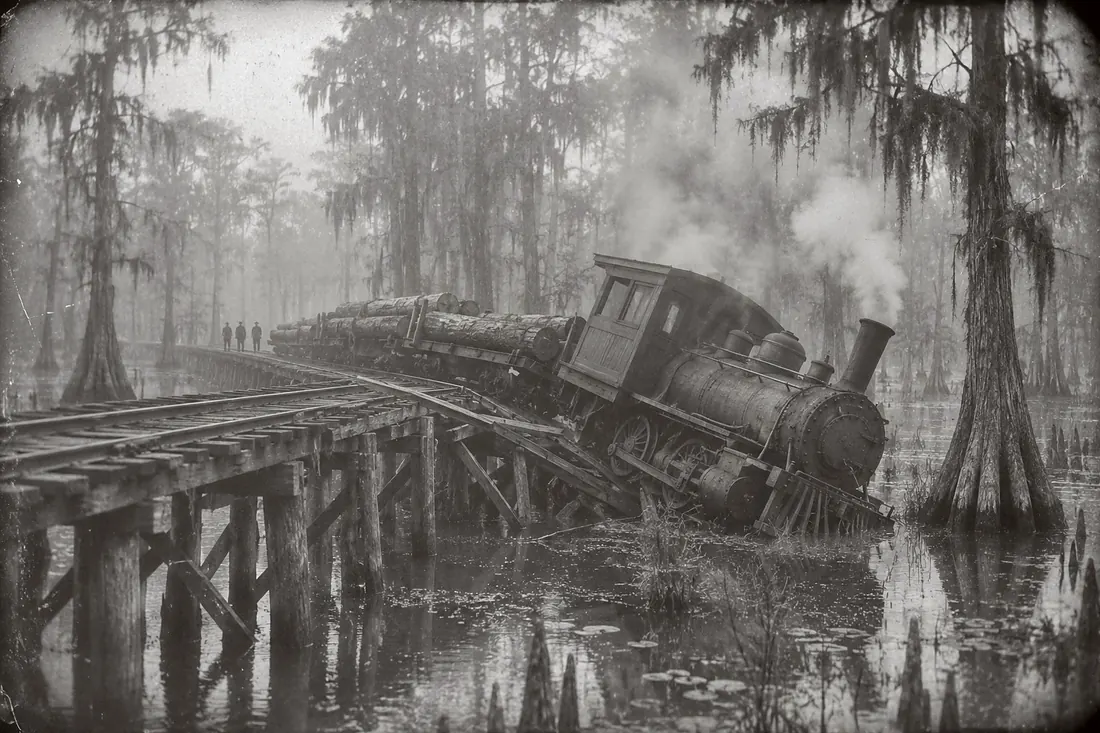
The last cypress train did not leave the Okefenokee on one clean day. The cutting slowed down over years, company by company, spur by spur.
Waycross
In nineteen eleven, a man named Doctor J F Wilson moved to Waycross, Georgia, and started publishing a magazine for pecan growers.
Chesser Island Homestead
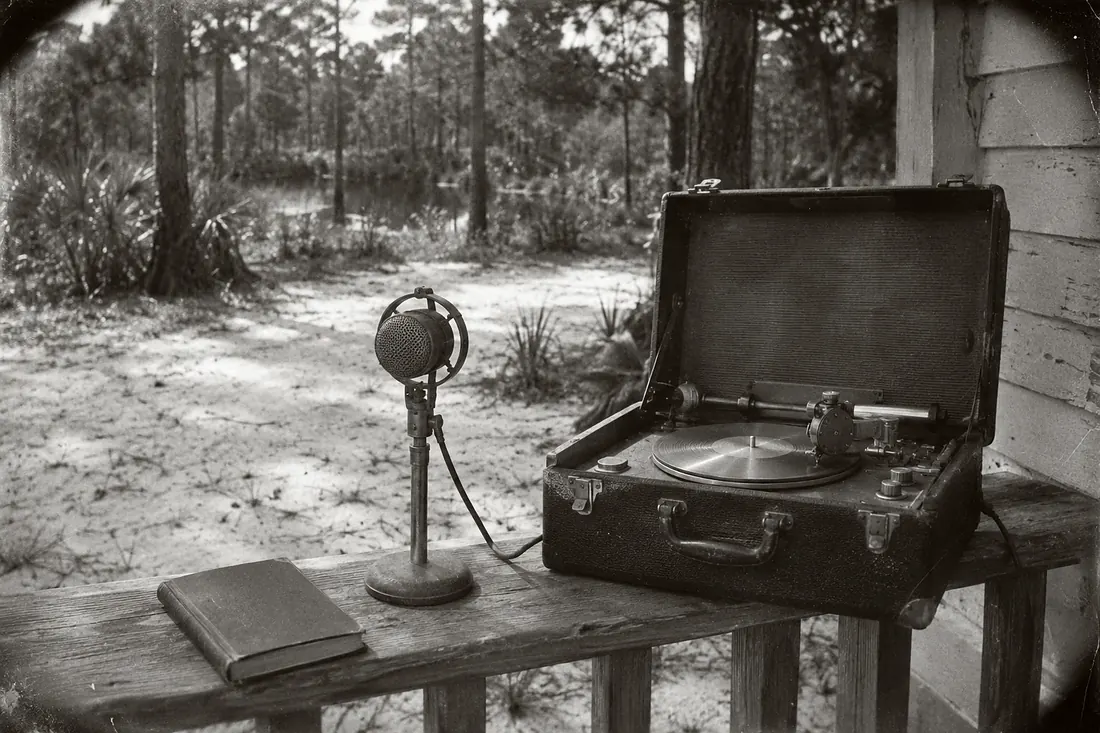
Francis Harper came to the Okefenokee for the birds and the plants. He ended up saving the voices too.
Floyds Island
One writer called him Georgia's lonesomest man.
Washington and Waycross
In July of nineteen thirty-five, Francis Harper wrote a friend about the Okefenokee.
Camp Cornelia, Suwannee Canal Recreation Area
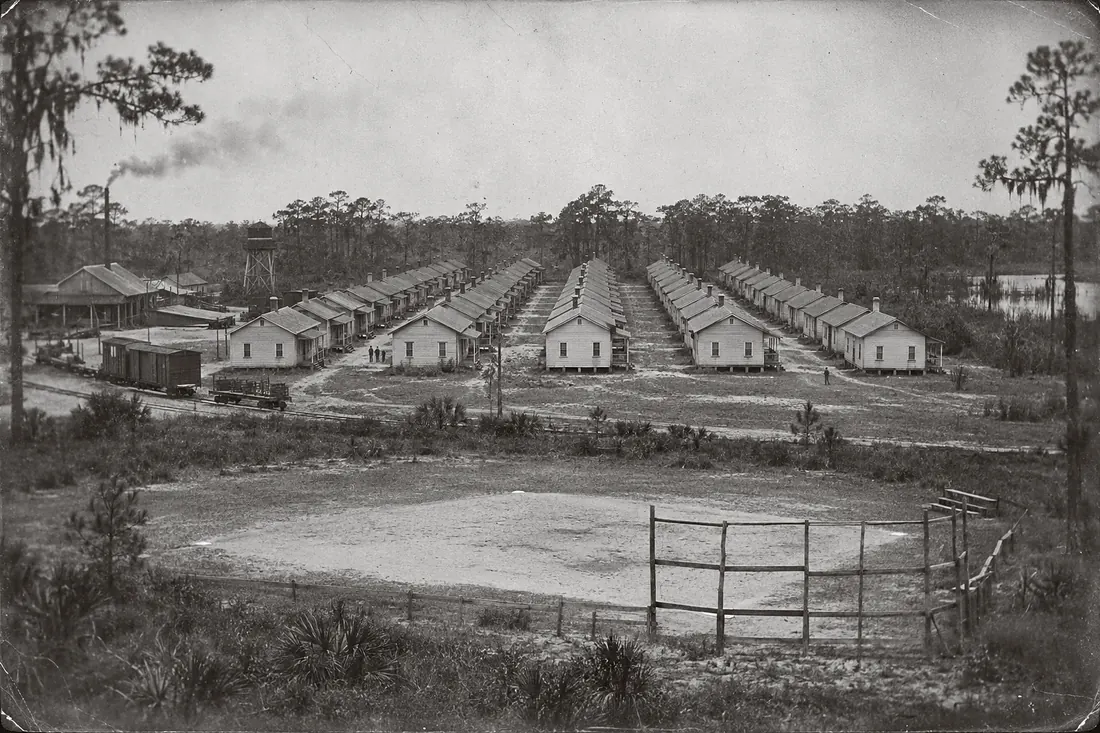
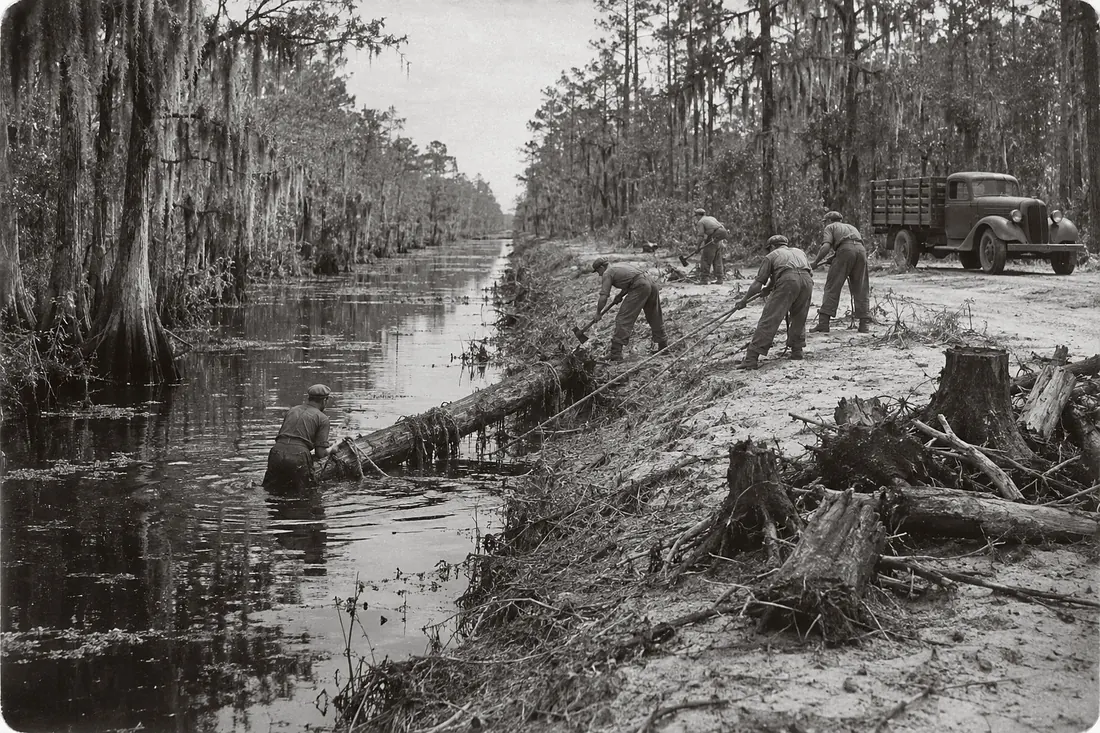
On May twenty-seventh, nineteen thirty-seven, a convoy of twenty-one trucks left Douglas, Georgia, headed for the edge of the Okefenokee.
Chesser Island Homestead
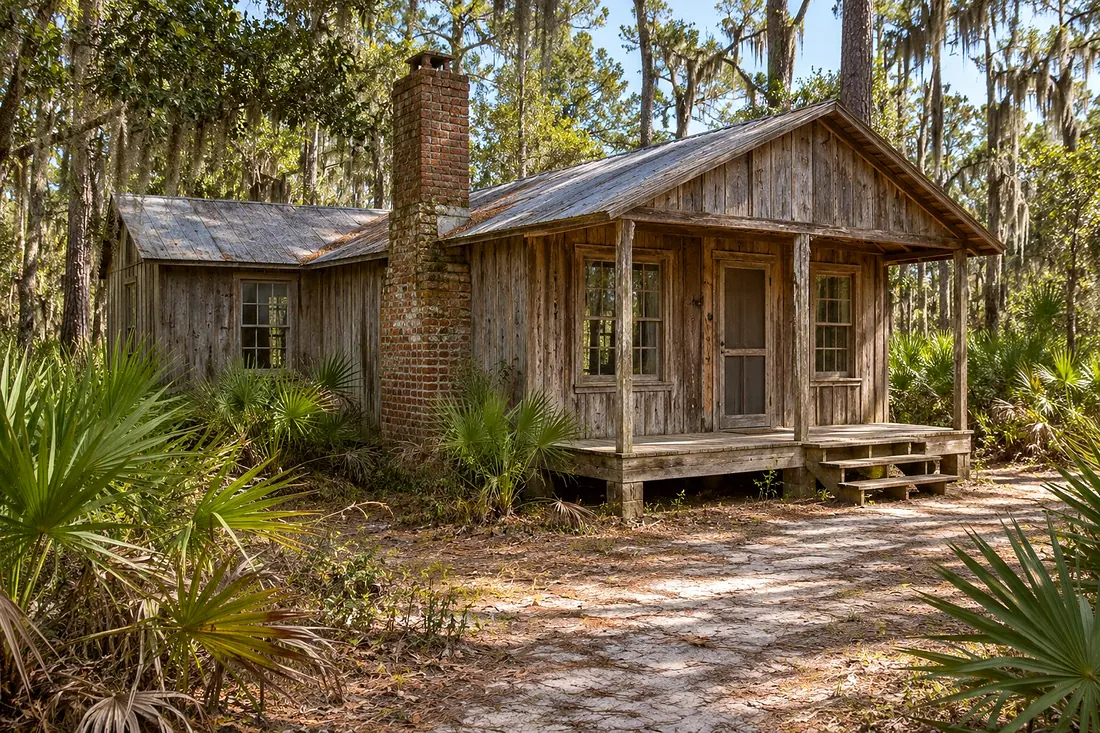
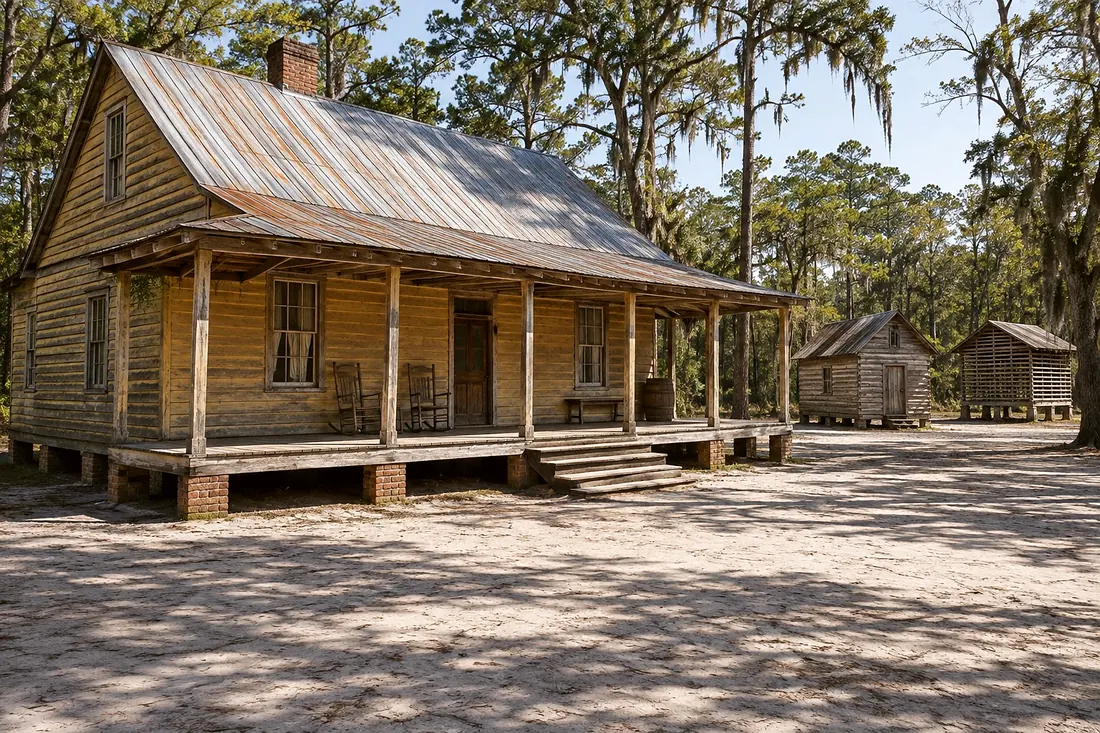
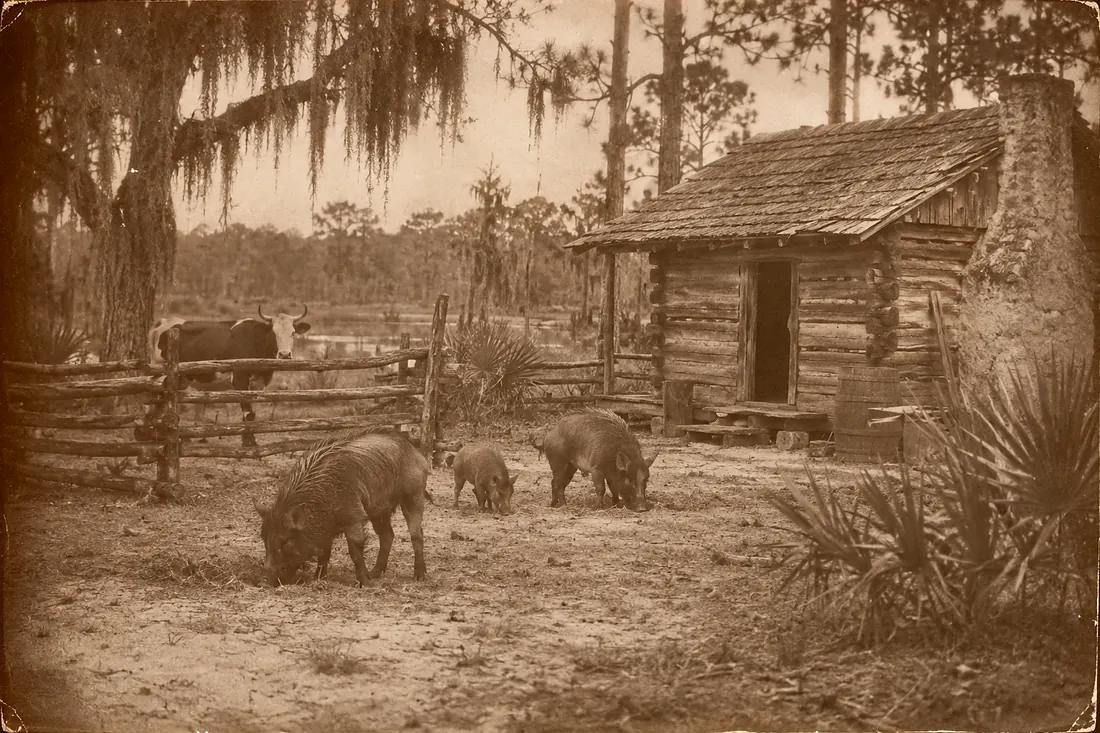
In nineteen fifty-eight, the last swamper family left the Okefenokee.
Chesser Island Homestead
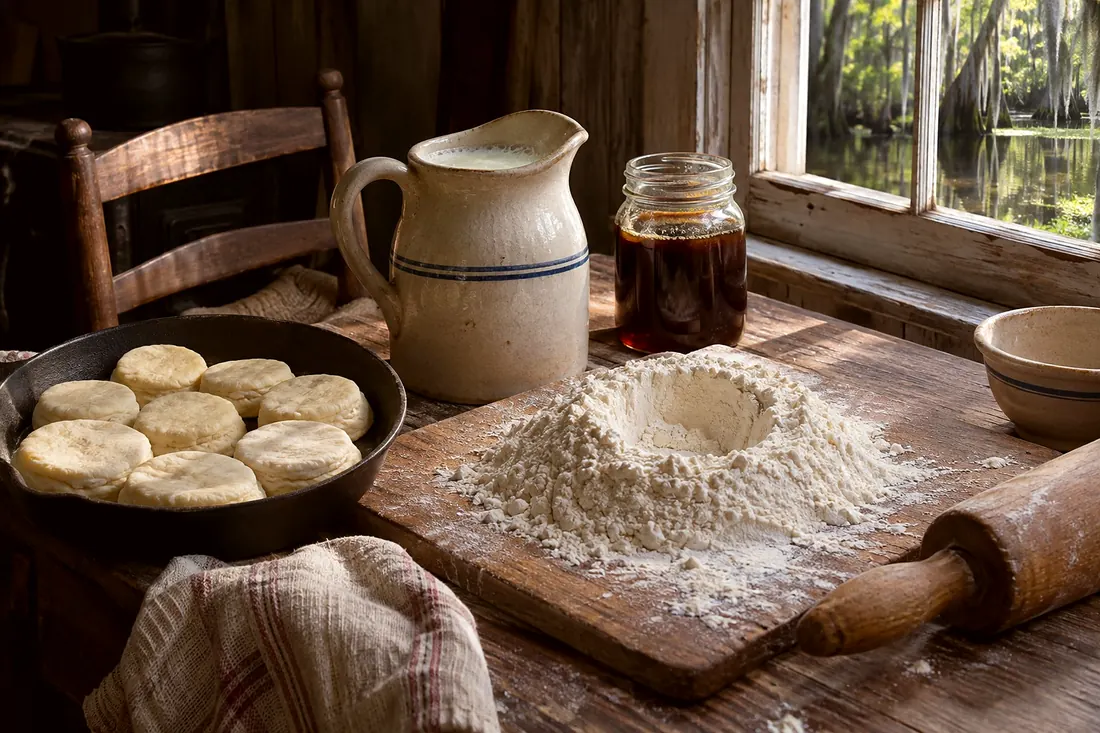
Miss Bernice Roddenberry made her biscuits one way. You scooped a hollow in the flour and poured the buttermilk or sour milk into it.
Suwannee River Sill
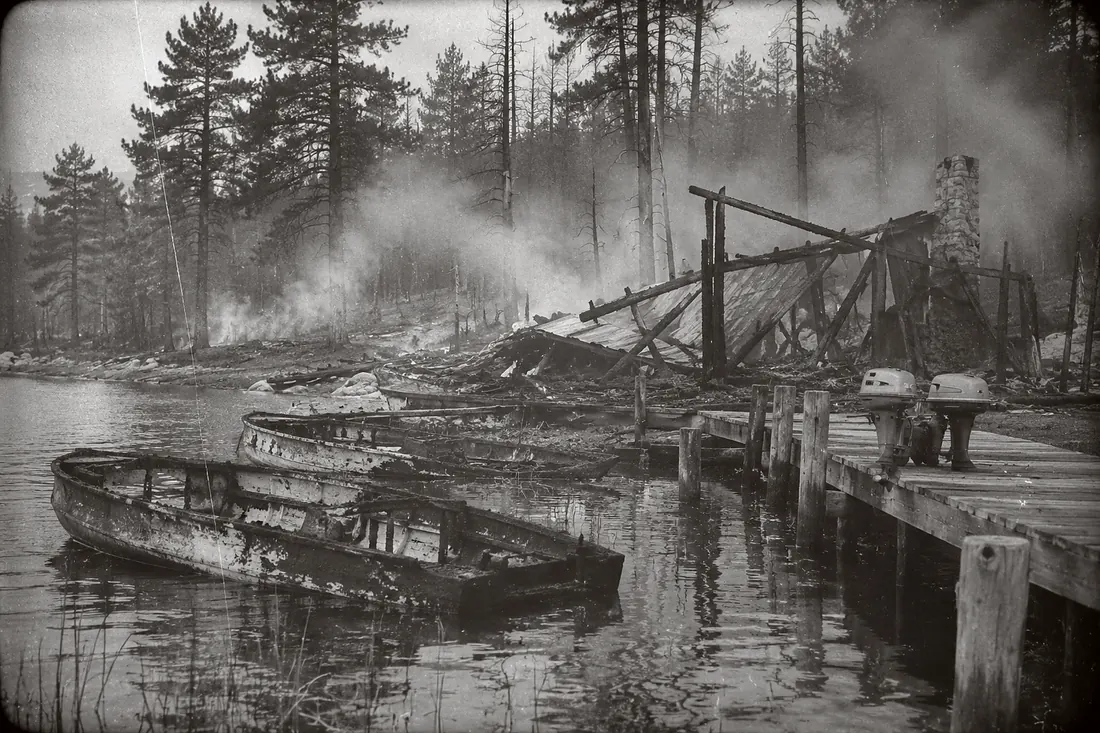
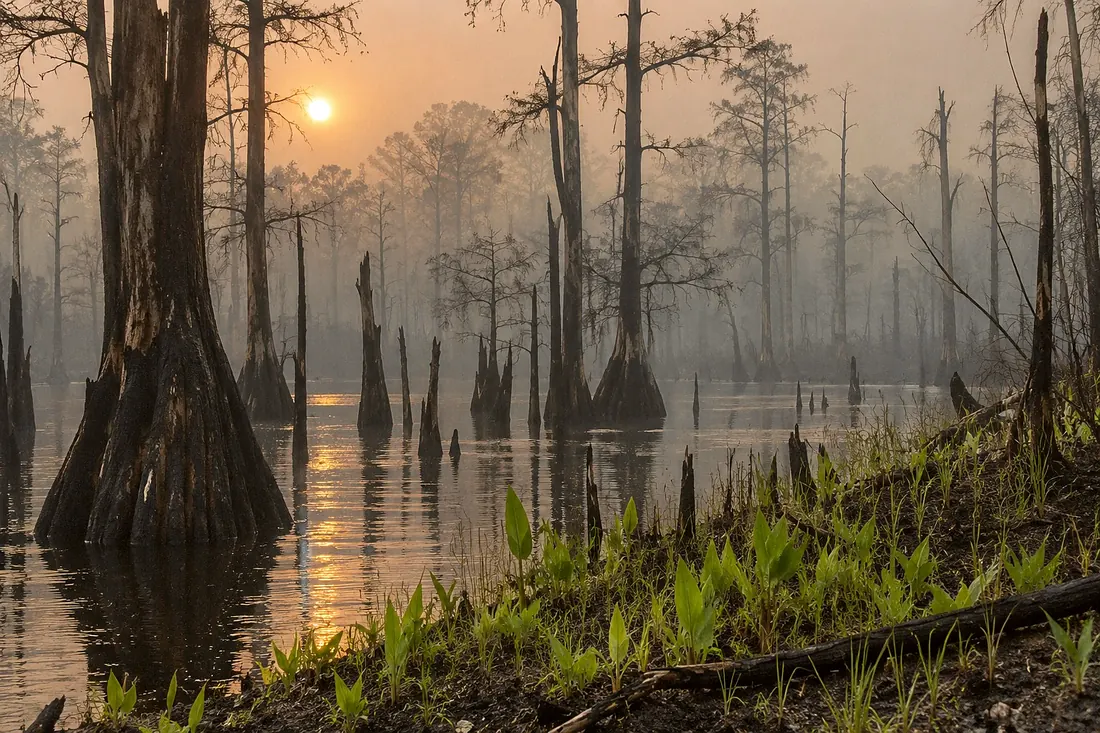
In the fall of nineteen fifty-four, the Okefenokee began to burn, and by June of nineteen fifty-five, fire had swept over eighty percent of it.
Camp Cornelia, Suwannee Canal Recreation Area
Roy Moore went to work at the Okefenokee refuge in nineteen fifty-one.
Chesser Island and Camp Cornelia
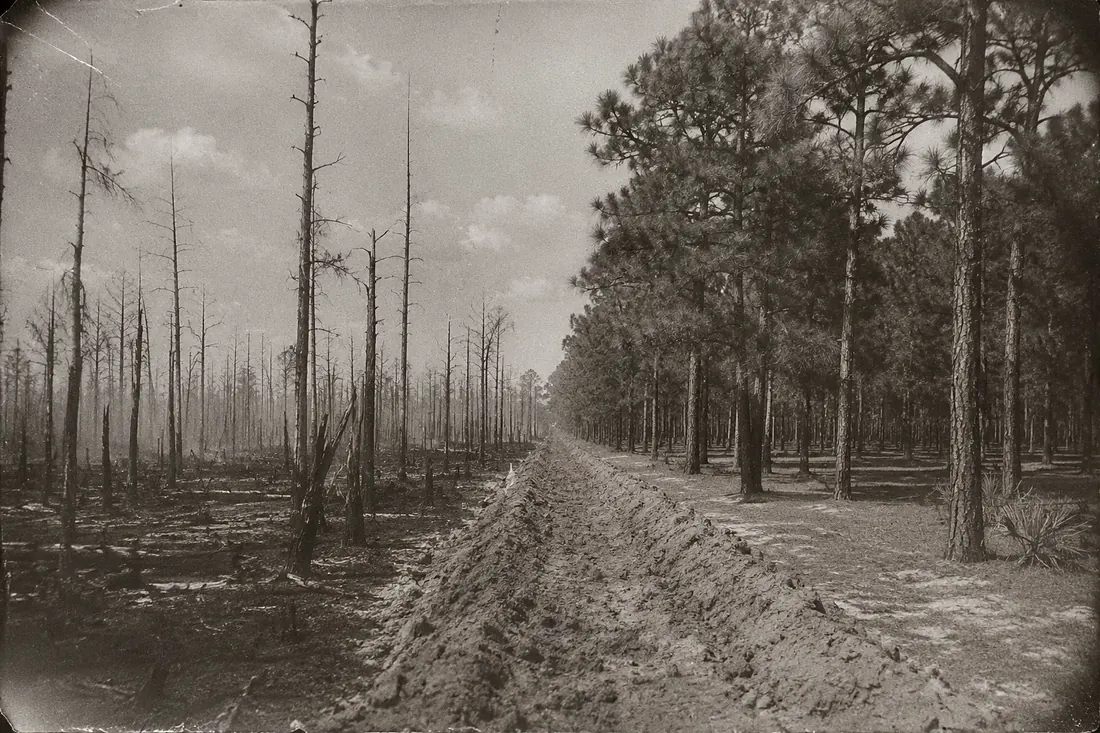
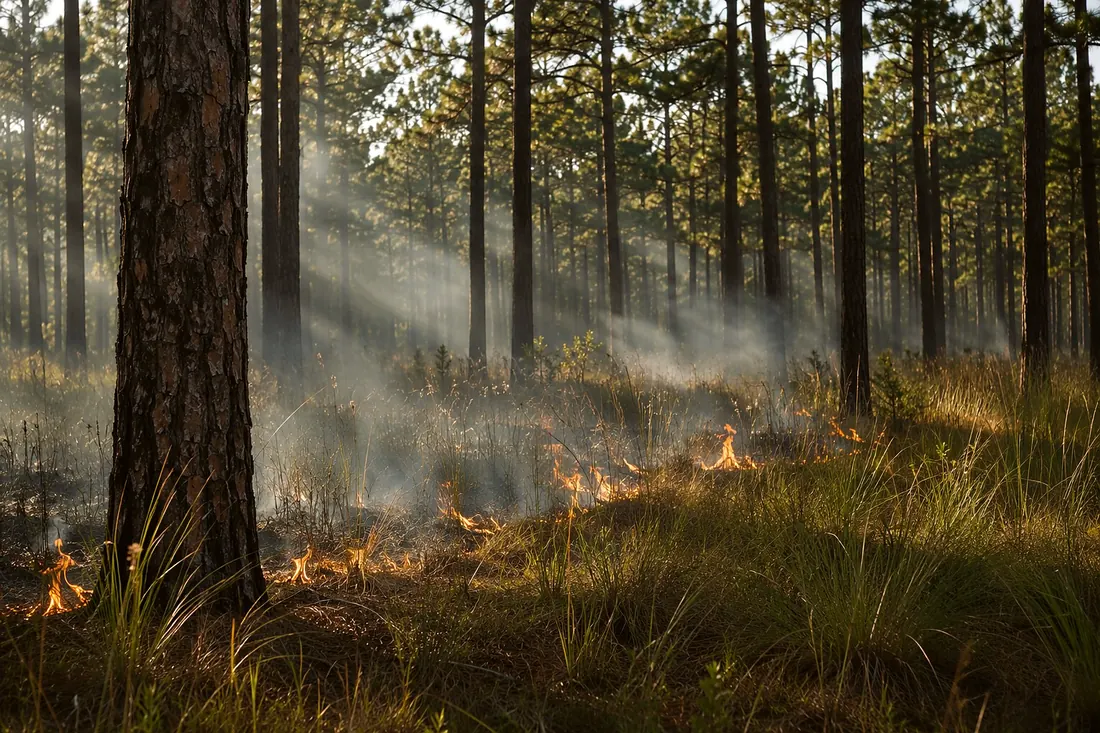
In the spring of nineteen fifty-five, a fire came down through the pine timber south of Waycross and stopped dead at the refuge boundary.
Kingfisher Landing
In December of nineteen thirteen, a soil expert from Albany, Georgia, named M Earl Carr finished a report on a piece of the Okefenokee.
Sweat Farm Road, where the 2007 fire began
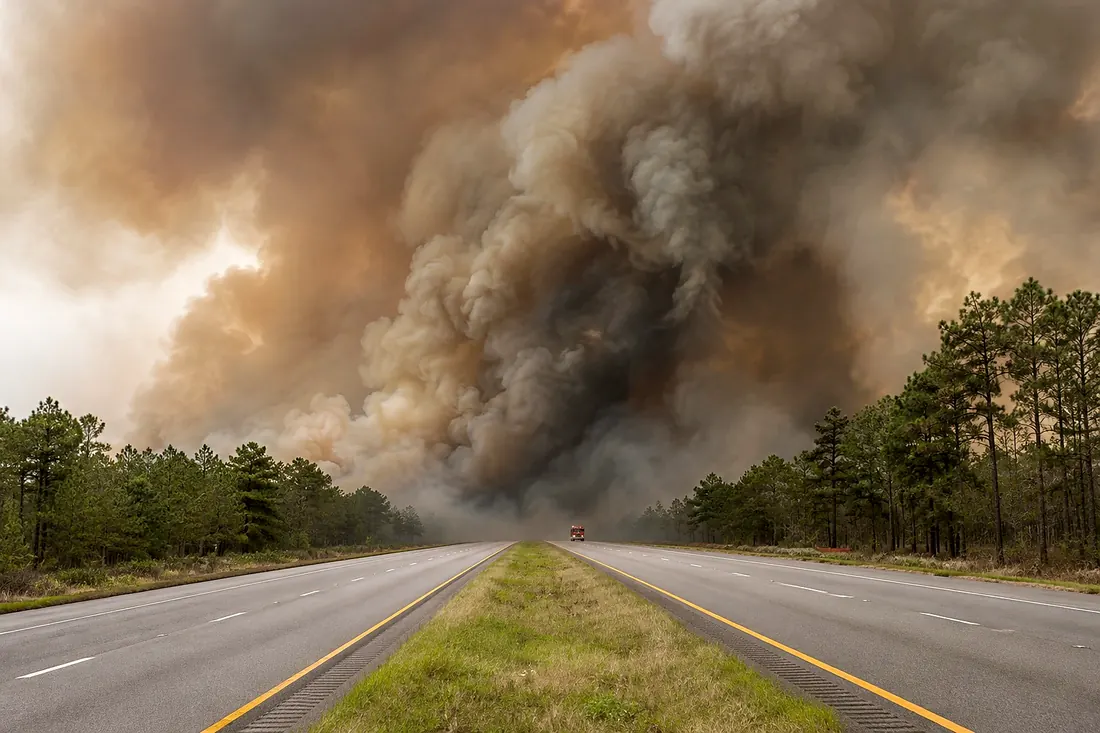
On the sixteenth of April, two thousand seven, a power line came down on private land southwest of Waycross.
Honey Prairie
A bolt of lightning hit the Okefenokee Swamp on the twenty-eighth of April, two thousand eleven.
Pine islands and prairie edges
In a talk in nineteen eighty-five, Roy Moore, who had worked at the Okefenokee refuge since nineteen fifty-one, showed a photograph taken from above.
The east side of the swamp
By eighteen oh five, a few white families had settled on the southeastern edge of the Okefenokee.