Chuckwill
My family says Wiley Thompson is one of my grandfathers, a good many generations back. That is how it has always been told in our family. What I can give you is what was written about the man. He was a Georgia congressman and a general of militia. On the afternoon of the twenty-eighth of December, eighteen thirty-five, he went for a walk after dinner, with a cigar in his hand, and never came back.
He was born in Virginia in seventeen eighty-one and raised in Elbert County, Georgia. He was an officer in the War of eighteen twelve. In eighteen seventeen Georgia made him a major general in its militia and sent him to the state senate. In eighteen twenty-one he went to Congress, and he served twelve years.
Now, the border. Some in my family say he drew the line between Georgia and Florida. The papers show something a little different, and it runs right through our country.
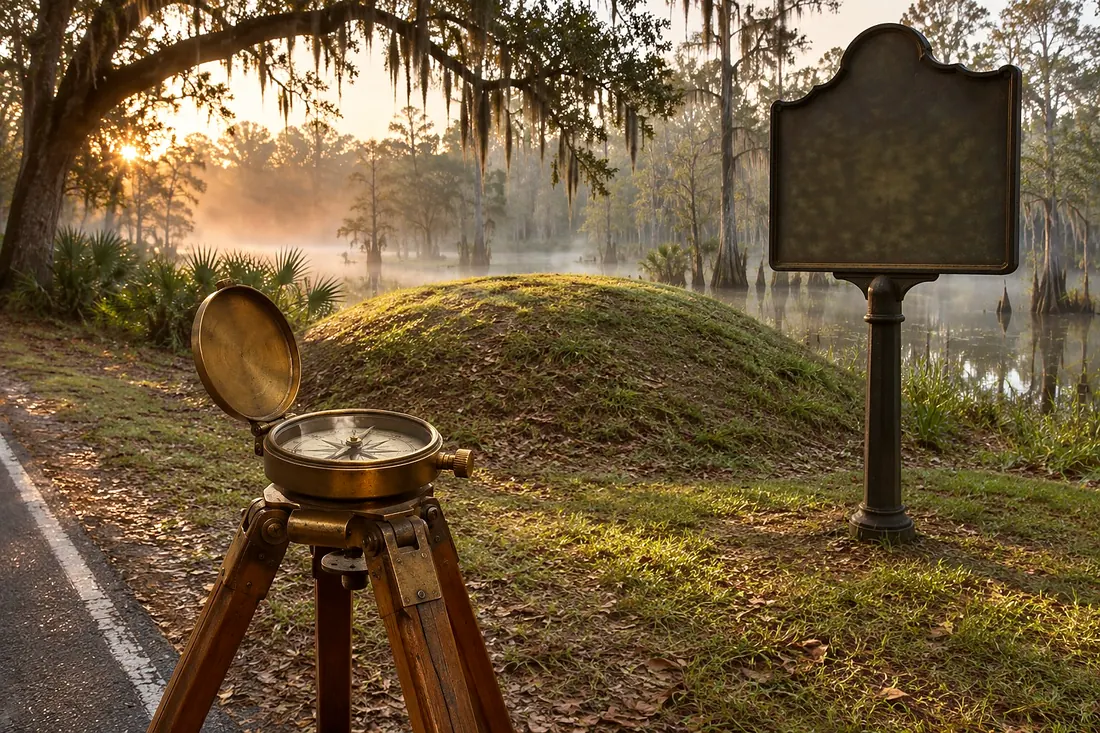
In eighteen hundred, a surveyor named Andrew Ellicott built a mound at the head of the Saint Marys River, to mark where the United States ended and Spanish Florida began. Nineteen years later, Georgia doubted it. A Camden County man, Captain William Cone, said Ellicott had picked the wrong branch of the river. He said the true head lay twenty or thirty miles south or southwest.
So Governor William Rabun named three generals to look into it. They were Floyd, Blackshear, and Wiley Thompson. They went out near the Okefenokee with Captain Cone. They hired a surveyor named McBride, who worked out how much water each branch of the Saint Marys carried. Then they told the governor that Captain Cone was mistaken and Ellicott was right.
That was Thompson's part. He did not draw the line. Others ran it, starting one mile north of Ellicott's mound, in eighteen twenty-seven. An old marker at Moniac says the mound stands five miles north.
In eighteen thirty-three, Thompson was appointed agent to the Seminoles in Florida, and the next year he was put in charge of their removal. He did not guide anyone down a trail. His job was to see that they went west, under a treaty signed at Payne's Landing, and many of their chiefs said they had never agreed to it. The move was planned for the first of January, eighteen thirty-six.
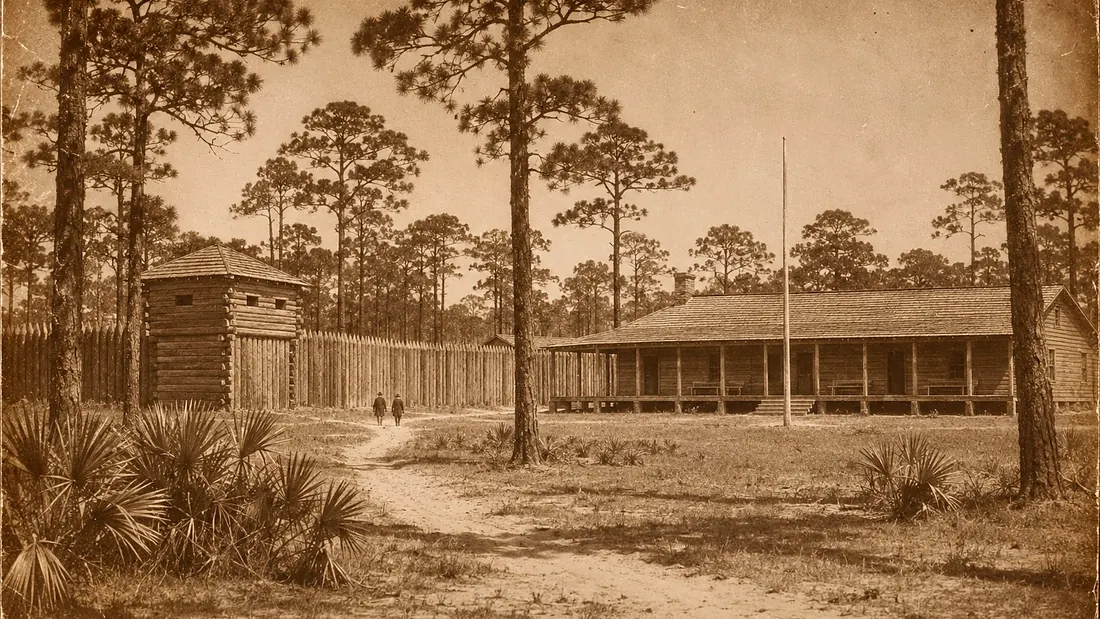
At one council, Osceola, a young warrior who was not a chief, sat beside the old chief Micanopy and whispered what to say. In June of eighteen thirty-five, Osceola came to Fort King and used abusive language to the agent. Thompson wrote that he was constrained to order him into irons. Osceola stayed in irons six days. He promised to go, and he brought in seventy warriors as proof. Years later, Joshua Giddings wrote that Osceola's wife had been seized as a slave at that same fort, and that Osceola swore vengeance.
In November, Osceola's party killed Charley Emathla, a chief who had agreed to go. On the seventh of December, Thompson wrote to Washington that he now counted the Indians as hostile.
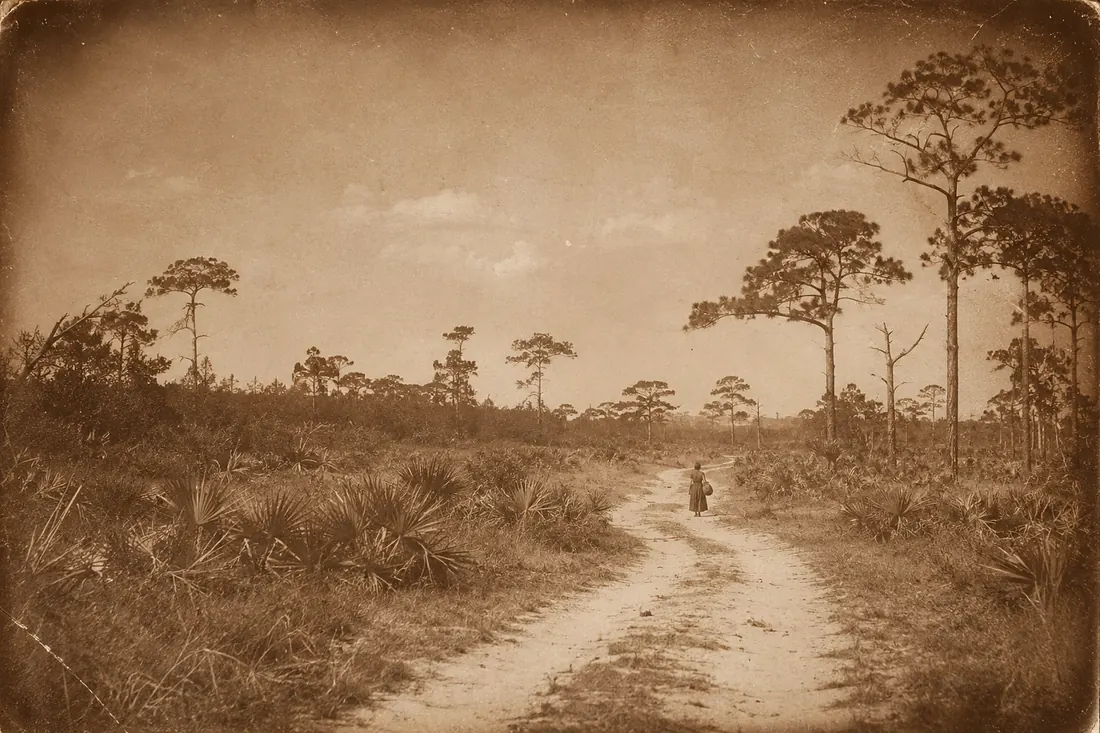
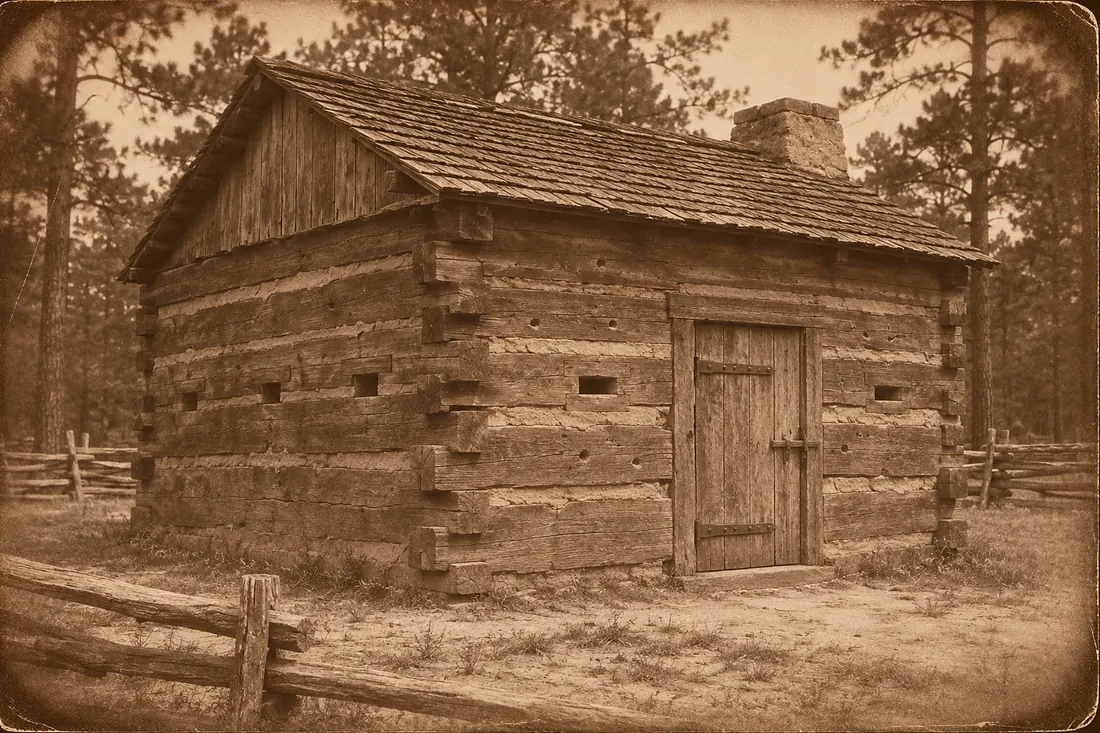
Sixty warriors lay hidden in a hammock in sight of Fort King for two days. On the twenty-eighth, Thompson and Lieutenant Constantine Smith walked out toward the sutler's store, a mile from the post. The shots came from thirty feet off the road. Both men died on the spot. One writer counted twenty-four balls in Thompson. Another counted fourteen. The sutler and his clerks were killed next.
That same afternoon, on the road from Fort Brooke, Major Dade and his men were wiped out. The Second Seminole War had begun. Before it ended in eighteen forty-two, the Seminoles would lose almost nine in ten of their people, and the army would ring the Okefenokee with forts.
Months later, Thompson's body came home to Elberton and was buried in the garden of his house. The Georgia marker there calls him the ablest and most humane of the agents.
A story says Thompson gave Osceola a rifle, and Osceola used it that day. Modern retellings tell it that way, but the accounts written within a generation of Fort King do not mention a rifle at all.